
Death, Empathy, and the Limits of Control
The Wind-Up Bird ChronicleThis thread examines how impending death changes what characters can feel, imagine, and understand, without making suffering either fair or fully shareable.
increasing Bearing strength in each event
 decreasing
Bearing strength in each eventdecreasingCreta’s Unequal Pain
Pain as an Unequal Burden
A Catalogue of Suffering
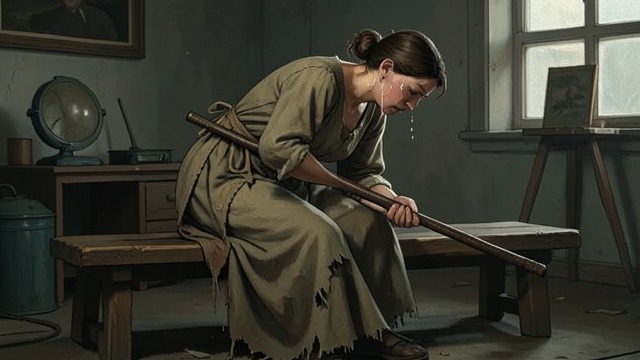
Creta describes persistent physical pain that disrupts ordinary activities and leaves her feeling singled out by a world in which other people seem comparatively untroubled. Her account makes pain concrete rather than metaphorical.
Failed Understanding
Those around her cannot grasp the intensity of what she experiences, even when they listen to her words. Her story exposes a limit in empathy: another person may acknowledge suffering without being able to inhabit it.
Mamiya’s Sunlit Well
A Brief Gift of Light
Trapped Below the Surface
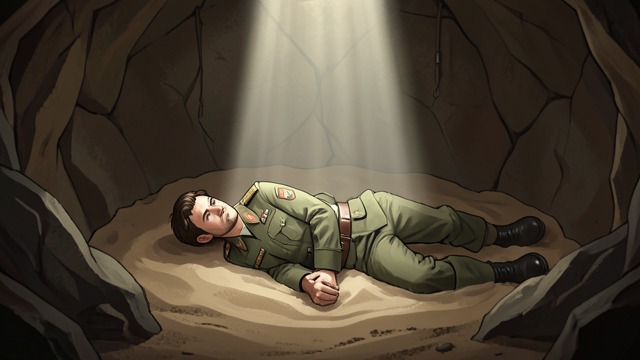
In a dry desert well, Lieutenant Mamiya is injured, isolated, and left without food or water. For a short interval, sunlight reaches the bottom and gives him an experience he understands as a revelation or grace.
Survival Without Restoration
Mamiya survives, but he believes that the deepest part of his life ended in that light. His survival is not presented as simple triumph; it becomes a long existence marked by emotional emptiness and the burden of having continued living.
May’s Borrowed Fear
A Witness to Another’s Death
Watching from Above
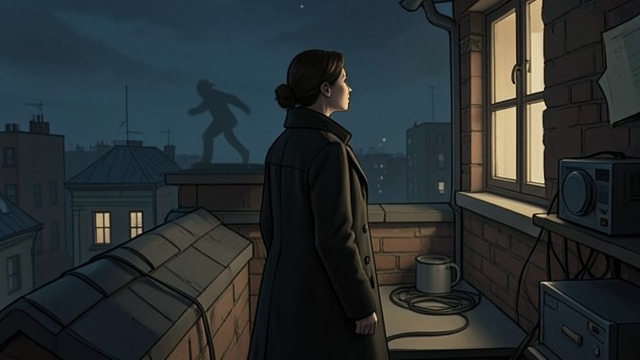
May knows that Toru is alone below ground and imagines his hunger, fear, and approaching death. She says that this imagined attention brings her unusually close to him, even as she prolongs his uncertainty.
Curiosity and Conscience
Her fascination with how people die is not separate from her capacity for compassion. May wants to test the limits of another person’s fear, then recognizes that going too far could make her responsible for more than she intended.
The Zoo’s Clumsy Massacre
Killing as an Assigned Task
Animals Under Orders
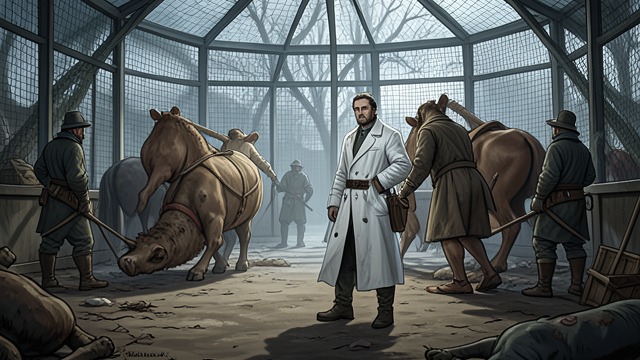
Japanese soldiers kill tigers, leopards, wolves, and bears at the zoo because military authorities have ordered dangerous animals destroyed. The veterinarian witnesses the killings and watches the workers remove the bodies afterward.
A World Without a Clear Break
The veterinarian expects a decisive emotional rupture but finds the surrounding world still appears ordinary. His numbness suggests that catastrophic events do not always announce themselves through a matching inner response, especially when violence becomes part of routine.
The Cadet Execution
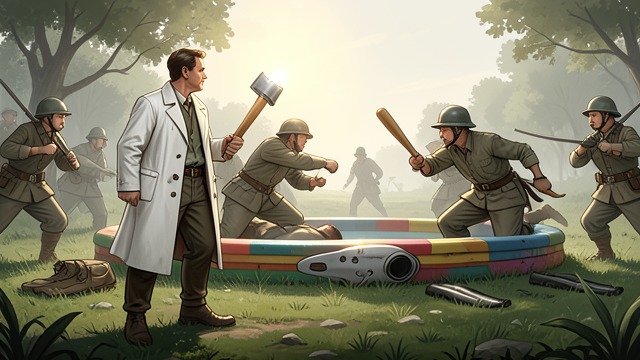
A Grave Made in the Zoo
Violence Between Humans
The veterinarian watches a Japanese unit execute Chinese cadets, including the killing of one captive with a baseball bat. The scene turns an ordinary object into an instrument of state violence and places the veterinarian inside an event he cannot prevent.
A Link to Later Violence
The bat and the witness’s helplessness connect the wartime narrative to Toru’s later confrontation in Room 208. The repeated image does not make the events identical; it shows how violence can echo across lives and generations without yielding a simple explanation.
During Creta Kano’s account of her adolescence
During Lieutenant Mamiya’s 1938 ordeal in the Outer Mongolian desert
While May Kasahara keeps Toru trapped in the well
August 1945, during the final days of the war in Hsin-ching
The day after the zoo animals are killed in August 1945
